Author: galenvs

  • Next-Generation Sequencing (NGS)

    Next-Generation Sequencing (NGS)

    Development of sequencing techniques

    Sequencing techniques enable the direct determination of DNA or cDNA molecule sequences. Their speed, scalability, and high throughput have led to their broad implementation in scientific research. The sequencing of the human genome performed within the framework of the Human Genome Project is probably the most widely recognized achievement of sequencing technologies. This endeavor was accomplished between 1990 and 2003 using Sanger sequencing.1,1
    Next-generation sequencing (NGS) has since been developed as an alternative sequencing method that greatly speeds up the sequencing process and reduces the cost of large-scale sequencing.2

    Characteristics and advantages of next-generation sequencing

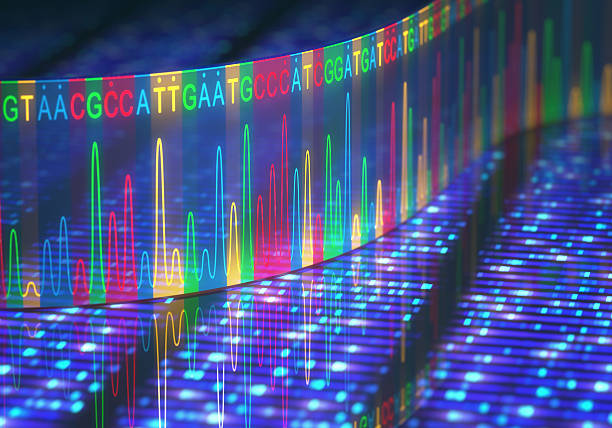
    Next-generation sequencing is a massively parallel sequencing technique that uses fragmented DNA, which is clonally amplified and loaded on wells or microchips, as starting material.1,2 It enables the investigation of the genome, epigenome, and transcriptome. NGS technologies for genomic analysis encompass whole-genome sequencing, exome sequencing, and de novo sequencing; further, they enable the identification of rare somatic variants and aid genetic disease diagnostics. Next-generation sequencing can also identify epigenetic factors, including DNA methylation and DNA-protein interactions, using methylation sequencing and ChIP sequencing. Moreover, NGS can determine novel RNA variants and quantify mRNA expression utilizing total RNA and mRNA sequencing, noncoding RNA sequencing, and targeted RNA sequencing.

    Next-generation sequencing has several important advantages, including its speed, reduced cost, high dynamic range, and small amount of sample material. Moreover, it does not require previous knowledge of the investigated sequences.3

    Next-generation sequencing and precision medicine

    Disease risks and characteristics vary among individuals. Precision medicine takes this variability into account and aims to identify therapeutic strategies tailored to the needs of the individual patients. NGS may aid the progress of precision medicine because it acquires a large amount of data on mRNA expression and genetic and epigenetic factors. It may help develop diagnostic and therapeutic strategies tailored to individual needs.

    Implications of next-generation sequencing for the clinical practice

    Next-generation sequencing has aided research advancement in multiple disease areas. The application of its findings in the clinical practice has faced more challenges but has still achieved significant progress.4 NGS can help provide answers regarding the etiology of rare genetic disorders due to its ability to rapidly sequence the genome. Moreover, it has enabled faster and more comprehensive testing in certain medical conditions, such as inherited cardiomyopathies, which are characterized by genetic heterogeneity.5 In certain situations, NGS has also been used for the diagnosis of infections with the severe acute respiratory syndrome coronavirus 2 (SARS-CoV-2), which causes the coronavirus disease 2019 (COVID-19).

    Challenges and future research directions for next-generation sequencing

    Despite the undisputable advances, there are still challenges to the broader application of NGS in the clinical practice. They include the validation and interpretation of the large number of identified genetic variants, standardization of the processes used in clinical diagnostics, and data management.4 Manufacturers also focus on developing NGS technologies that are more user-friendly and easier to apply in the practice. Moreover, further generations of sequencing technologies are being developed with the potential to determine nucleotide sequences directly in fixed cells.6

    Sources:

    1. https://www.ebi.ac.uk/training/online/courses/functional-genomics-ii-common-technologies-and-data-analysis-methods/next-generation-sequencing/
    2. Behjati S, Tarpey PS. What is next generation sequencing? Arch Dis Child Educ Pract Ed. 2013;98(6):236-238.
    3. https://www.genome.gov/human-genome-project
    4. Di Resta C, Galbiati S, Carrera P, Ferrari M. Next-generation sequencing approach for the diagnosis of human diseases: open challenges and new opportunities. EJIFCC. 2018;29(1):4-14.
    5. Teekakirikul P, Kelly MA, Rehm HL, Lakdawala NK, Funke BH. Inherited cardiomyopathies: molecular genetics and clinical genetic testing in the postgenomic era. J Mol Diagn. 2013;15(2):158-170.
    6. Ke R, Mignardi M, Hauling T, Nilsson M. Fourth generation of next-generation sequencing technologies: promise and consequences. Hum Mutat. 2016;37(12):1363-1367.
  • Application of Magnetic Nanoparticles in Detection of Nucleic Acids

    Application of Magnetic Nanoparticles in Detection of Nucleic Acids

    Magnetic nanoparticles are characterized of having both magnetic particles and nanoparticles, which refer to particles ranging between 1 and 100 nanometers in diameter that produce a response if subjected to magnetic field. One of the most basic substances in life is nucleic acid, which has very important biological functions, such as storage and transmission of genetic information. Polymerase chain reaction (PCR) is considered to be the gold standard for detection of nucleic acid. Yet, it has some limitations such as time-consuming, laborious, large and expensive PCR detection equipment, and the need for well-trained and professional operators. Thus, it is very important to have economical and fast nucleic acid detection equipment and technology. Magnetic nanoparticles have high binding rates with detection substances, high surfaces areas to volume ratio, and are able to make magnetically controllable aggregation and dispersion, allowing preconcentration, purification and separation of nucleic acid in an easy and simple way.

    Magnetic nanoparticles have good dispersibility, allowing them to bind biomolecules effectively and quickly. They have the advantage of reversibly bind to biomolecules, and controllable dispersion and aggregation. Without external magnetic field, the particles are uniformly suspended in solution and nonmagnetic. However, in the presence of an external magnetic field, the particles are magnetic and can be separated. Use of magnetic nanoparticles in nucleic acid detection has the advantages of high specificity, good reproducibility, and rapid separation. Magnetic beads are a valuable tool for extraction of nucleic acid. Coupling of magnetic characters with ligands in magnetic beads facilitates the separation and purification of nucleic acid in a specific and highly efficient way.

    Some major inventions

    • In 2016, Pang and colleagues developed a functionalized Fe3O4@Ag magnetic nanoparticle biosensor for microRNA capture and ultra-sensitively detection from total RNA in cancer cells.
    • Also, in 2016, Wu and colleagues designed a new type of automatic sample processing device based on magnetic separation for isolation and extraction of both RNA and DNA, which could facilitate sample preparation in the field with no need to transfer the plate to any additional equipment.
    • In 2017, Chen and colleagues developed a paper-based analytical device for colorimetric detection of DNA, through detection of the specific recognition of nucleic acid via magnetic nanoparticles separation and hybridization chain reaction induced by target DNA.
    • Also, in 2017, Wang and colleagues developed magnetic nanoparticles to simultaneously extract RNA and DNA from cancer cells. This method is convenient, easy automation, and low cost. Li and colleagues developed a rapid and high-quality universal nucleic acid extraction kit based on magnetic separation, facilitation the extraction of nucleic acid efficiently and programmatically.
    • In 2018, Tavallaie and colleagues proposed that electric-field-induced reconfiguration of a network of gold-coated magnetic nanoparticles modified by probe DNA (DNA-Au@ magnetic nanoparticles) could help in making a highly sensitive sensor for direct analysis of nucleic acids in complex samples such as whole blood.
  • Targeting of Magnetic Nanoparticles in the Central Nervous System

    Targeting of Magnetic Nanoparticles in the Central Nervous System

    Function of the blood-brain barrier

    The blood-brain barrier separates brain tissue from the circulation and plays an important role in protecting the brain from pathogens and toxins. Generally, only small, lipid-soluble molecules pass freely through it. However, the blood-brain barrier is impermeable to most macromolecules.1 Its barrier function is achieved through the formation of tight junctions between capillary endothelial cells in the brain. Notably, besides playing an important protective role, the blood-brain barrier also prevents many therapeutic candidates from entering the brain. Therefore, numerous strategies for drug delivery across the blood-brain barrier are being developed.

    Strategies for drug delivery across the blood-brain barrier

    Drugs can be delivered across the blood-brain barrier through approaches that either circumvent it or to disrupt it. Strategies that use blood-brain barrier disruption for therapeutic delivery include osmotic disruption, MRI-guided focused ultrasound, bradykinin administration, and radiation-induced disruption. Approaches that aim to circumvent the blood-brain barrier to deliver drugs include convection-enhanced delivery, viral-mediated circumvention, carrier molecules, liposomal delivery, polymer wafers, and P-gp targeting and modulation.2

    Magnetic nanoparticles

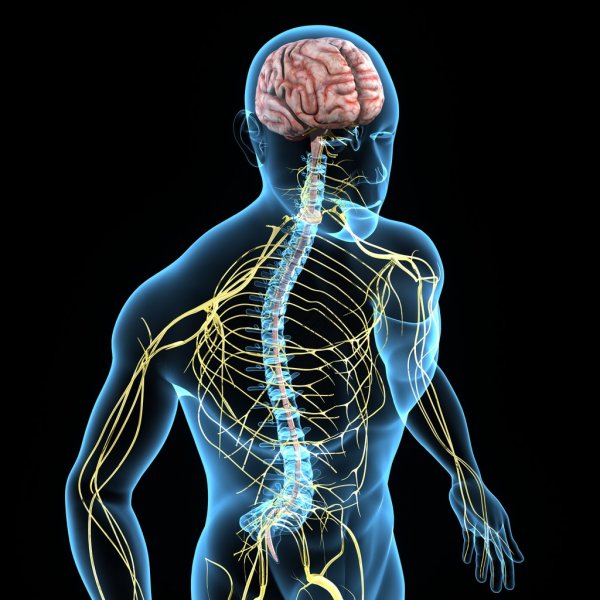
    Nanoparticles can be used as carrier molecules for drug delivery to the central nervous system. Magnetic nanoparticles can deliver drugs into the brain with the aid of magnetic fields, a process also referred to as magnetic drug targeting. Magnetic drug targeting requires the manufacturing of stable magnetic nanoparticles with good magnetic coupling and bioavailability. Moreover, it necessitates the design of an appropriate static magnetic field to drive the nanoparticles to the target.2 Magnetic nanoparticles contain a magnetic core that is stabilized by a protective biocompatible coating. Therapeutic agents or other functional groups can be attached to the magnetic nanoparticle. The nanoparticles can be administered systemically, and an externally applied magnetic field can facilitate their transport through the blood-brain barrier. Moreover, the magnetic heating that develops during this process increases the permeability of the blood-brain barrier.

    Clinical applications of magnetic nanoparticles

    Magnetic nanoparticles have already found applications in the clinical practice. They include their use as contrast-enhancing agents for magnetic resonance imaging, as magnetic vectors, for magnetic labeling and separation, and for magnetic hyperthermia and heating.

    Magnetic nanoparticles for drug delivery across the blood-brain barrier

    The technology for drug delivery with magnetic nanoparticles into the central nervous system is being actively developed. However, most studies are still limited to in vitro and animal in vivo models. The potential efficacy of magnetic nanoparticles as drug carriers is being investigated in models of glioblastoma, HIV central nervous system infections, Parkinson’s disease, and Alzheimer’s disease.3

    Challenges in the development of magnetic nanoparticles for drug delivery into the central nervous system

    The safety and toxicity of magnetic nanoparticles delivered in the central nervous system are being actively investigated with special focus on iron oxide nanoparticles.3 Moreover, technical challenges, including the diminishing magnetic field strength with target depth and poor retention after external magnetic field removal, are being assessed. Overall, magnetic nanoparticles hold great promise for the delivery of therapeutics across the blood-brain barrier, but technical and safety concerns should be addressed.

  • Tracking COVID-19 with wastewater

    Tracking COVID-19 with wastewater

    Coronavirus disease 2019 (COVID-19) caused by severe acute respiratory syndrome coronavirus 2 (SARS-CoV-2) has emerged as the most important viral disease of zoonotic origin already directly affecting more than 141 million and causing more than 3 millions deaths as of April 19, 2021, according to WHO.

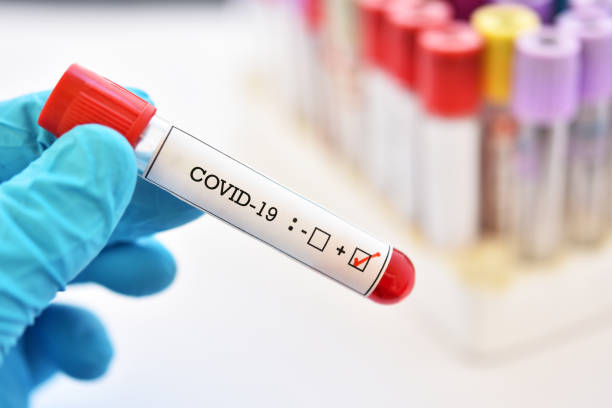
    Real-time reverse transcription polymerase chain reaction (RT-PCR) is one of the most widely used laboratory methods for detection of COVID-19 because of its high sensitivity in exponentially amplifying RNA molecules. Therefore, most countries depend on doing RT-PCR on the general population to track and monitor the actual prevalence of SARS‐CoV‐2. However, this is not a practical surveillance approach for the general population over the long term or for a sustained period of time. Environmental microbiologists have investigated foodborne, waterborne, fecal-oral, or enteric viral pathogens such as poliovirus, hepatitis A virus, and norovirus from the sewage and used it as a public health surveillance tool, and more recently for tracking SARS-CoV-2.

    Recent studies found that SARS-CoV-2 RNA could be detected in feces, leading to speculation that COVID-19 can be transmitted via the fecal-oral route. In Valencia, Spain, a team of scientists and engineers are accessing the sewage network as an attempt to figure out the next possible COVID-19 outbreaks. Haramoto and colleagues carried out the first environmental surveillance for COVID-19 in Japan. They detected SARS-CoV-2 RNA (2.4 × 10³ copies/L) in secondary-treated wastewater. The noticeable remark is that SARS-CoV-2 RNA was detected in wastewater when there was a high number of COVID-19 cases, implying that SARS-CoV-2 wastewater surveillance may be considered to be an ideal surrogate for community cases.

    In Spain, Randazzo and colleagues detected SARS‐CoV-2 RNA in samples taken when communicated cases in that area were only incipient. They also reported that the wastewater SARS‐CoV-2 RNA context markedly increased and anticipated the subsequent ascent in the number of declared cases. They proposed that SARS-CoV-2 was present in the community earlier than previously believed, suggesting that wastewater analysis is a cost‐effective and sensitive method for epidemiological surveillance of COVID‐19.

    Medema and colleagues reported the first detection of SARS-CoV-2 in sewage in the Netherlands. They found that there is a positive correlation between the prevalence of COVID-19 in the community and the detection of SARS-CoV-2 in sewage, indicating that sewage surveillance could be a sensitive tool to monitor the circulation of SARS-CoV-2 in the population. In France, Wurtzer and colleagues reported that the increase in the SARS-CoV-2 genome units in raw wastewater perfectly followed the increase in human COVID-19 cases seen in specific areas.

    Detection of SARS-CoV-2 in wastewater includes three main steps: concentration of wastewater samples, RNA extraction, and RT-PCR. Most of the previous studies used approximately 200 mL of wastewater. Different methods were used for viral concentration such as aluminum-driven flocculation, specific filters, or electronegative membrane-vortex (EMV) method. Then, RNA extraction kits or automatic RNA extractors were also used for RNA extraction. After extraction of RNA, the presence of SARS-CoV-2 was determined using various RT-PCR kits.

    COVID-19 wastewater surveillance could help in making properly targeted shutdowns as well as reopening in heavily populated sectors that lack resources and facilities. This also could give a good sign and indication if COVID-19 cases are high or low in these specific areas. In conclusion, tracking of COVID-19 in wastewater could give a good picture of cases in specific or selected areas instead of doing RT-PCR on all populations in these geographic regions. COVID-19 sewage surveillance may be used as an early alarm, similar to the poliovirus sewage surveillance, which has been long used for this goal.

  • COVID-19: what we know about the new variant

    COVID-19: what we know about the new variant

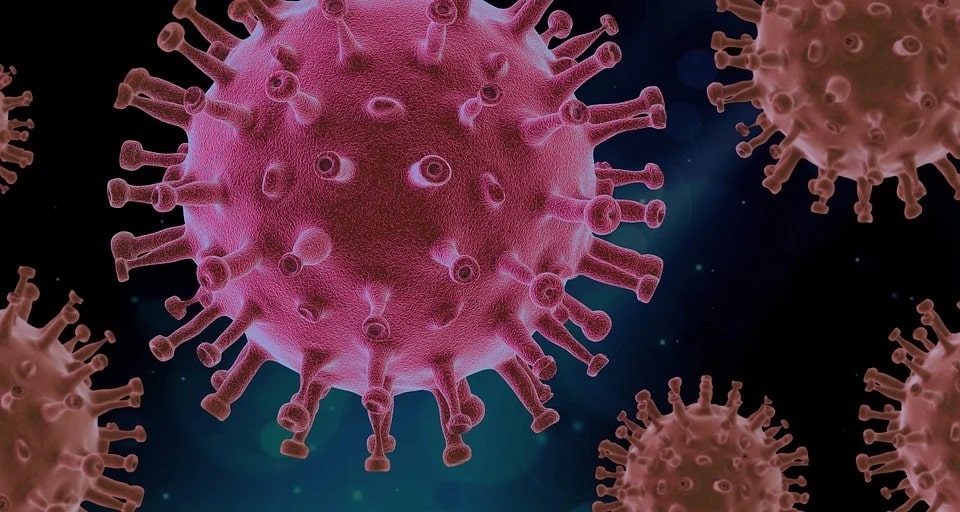
    The virus that causes COVID-19, SARS-CoV-2, is a type of coronavirus, a large family of viruses named for the crown-like spikes on their surfaces. SARS-CoV-2 is a large RNA virus made up of around 30,000 nucleotides. A feature of RNA viruses is their relative inaccuracy in the replication process. Therefore, every new copy can present stochastic mutations. If the new mutation favours the virus over the host or has a competitive advantage over the other already circulating strains, it might become dominant. This is what is happening in the United Kingdom (UK) where a mutated virus first detected on September 20, 2020 has emerged and is already the most widespread form in the country.

    At present, this new variant is referred to as “SARS-CoV-2 VUI 202012/01” (i.e., variant under investigation from December 2020). Terms such as “variant,” “strain,” and “lineage” are used by the press and the scientific community interchangeably. The variant is also often called B.1.1.7 from the name of its distinct phylogenetic cluster.

    VUI 202012/01 has been identified through viral genome sequencing for the first time in London and the South East of England. It is defined by multiple spike protein mutations (deletion 69-70, deletion 144, N501Y, A570D, D614G, P681H, T716I, S982A, D1118H) as well as mutations in other genomic regions. The most common mutation of this variant, N501Y, is on the spike protein responsible for infecting human cells.

    Why is this variant more transmissible?

    It is common to see multiple variants of the same virus; that is why we have a different flu vaccine every year. New strains do not mean that the virus is more harmful, and there is currently no evidence that this variant causes more severe disease or higher mortality. We also know that mortality is a lagging indicator, which will need to be assessed over the coming weeks. However, current evidence shows that infection rates in geographical areas where the VUI 202012/01 has been circulating have increased faster than expected, and the modelling evidence has demonstrated that this variant has a higher transmission rate than the variants in current circulation. The reasons why this is happening can be multiple.

    B.1.1.7 has an unusually large number of mutations, particularly on the spike protein. Three of these mutations have effects that could potentially explain the higher rate of transmission of the variant:

    • Mutation N501Y occurs in one of the six key residues within the receptor-binding domain (RBD) and has been described as increasing binding affinity to human and murine ACE2 receptor (the “entry” receptor for the virus).
    • The spike protein deletion 69-70 del leads to a conformational change in the spike protein, which has been shown to increase the evasion to the human immune response.
    • Mutation P681H is adjacent to the S1/S2 furin cleavage site, a site with high variability in coronaviruses.

    This overall increased affinity of the new variant for the human cells means that if you breathe in the new COVID-19 variant, you are more likely to be infected because it binds more strongly to the cells. Additionally, it also appears that this strain is better at evading the immune system, meaning that the standard defence mechanisms will not be as efficient.

    Is this new strain affecting the detection of the virus?

    Some diagnostic laboratories in the UK have reported that the deletion 69-70del in the spike protein causes negative results from RT-PCR assays for S-gene. However, assays targeting this specific gene are not widely used for primary detection. Only one assay targeting the S-gene is on the list of published assays listed by the WHO. Since mutations are more likely to occur in this gene, relying only on the S-gene for primary detection of SARS-CoV-2 infection is not recommended.

    Will vaccines protect from this variant?

    There is currently no evidence that suggests that the current vaccines being deployed would not protect the population against the new strain. Scientists say that a change in vaccine effectiveness is unlikely. However, there are no data available yet with respect to the ability of antibodies elicited by vaccines under development to neutralize this variant. Further laboratory research is currently being undertaken to obtain a detailed phenotypical characterization of the new variant, and results are expected in the coming weeks.

  • Role of Magnetic Nanoparticles in the Detection of COVID-19

    Role of Magnetic Nanoparticles in the Detection of COVID-19

    The occurrence of severe acute respiratory syndrome coronavirus 2 (SARS‐CoV‐2) in Wuhan, Hubei Province, China, has swiftly led to the COVID-19 pandemic crisis, with over 75 million COVID‐19 confirmed cases worldwide as of December 21, 2020, according to the World Health Organization (WHO).

    Due to its high sensitivity in exponentially amplifying RNA molecules, real-time reverse transcription polymerase chain reaction (RT-PCR) is typically used to confirm the clinical diagnosis of COVID-19. Although the genome sequences of SARS-CoV-2 have been fully revealed and RT-PCR kits have been widely used, there are many challenges that hamper the detection of COVID-19 such as laborious, different sensitivity among different kits and time-consuming sample processing steps. One of the important prerequisites for an efficient RT-PCR method is to have quantitative extraction of nucleic acids with excellent purity from complex samples. Low nucleic acid extraction efficiency could give poor signals during exponential amplification, which might lead to false negative results.

    In the current diagnosis and control of SARS-CoV-2, silica-based spin column RNA extraction methods are commonly utilized, in which nucleic acids are bound to a glass fiber or silica membrane. In these conventional methods, appropriate buffers are used to pre-lysis the samples as a way to release nucleic acids from viral particles before binding to the column membrane. Multiple centrifugation steps are mandatory to facilitate binding, washing, and elution of extracted nucleic acids.

    Moreover, several sequential washing steps must be performed to remove possible PCR inhibitory effects in the eluted products because different toxic organic solvents and corrosive chaotropic salts are usually found in the lysis and binding steps. These multiple centrifuging and column-transferring steps are time-consuming, laborious, and subjected to the risk of contamination or column clogging. Additionally, high-throughput, automated operation cannot be performed using spin column-based approaches. Therefore, reliable, convenient, fast, and automated nucleic acid extraction methods are highly required for COVID-19 detection. 

    Magnetic nanoparticles-based extraction methods, like the ones produced at Galenvs Sciences, could be an alternative to the traditional extraction methods because these magnetic nanoparticles-based extraction methods are centrifuge-free, easy to operate, and compatible to high-throughput and automation assays. Due to the presence of different surface-modified functional groups, nucleic acids in the lysed samples can be specifically absorbed on magnetic nanoparticles using conventional magnetic nanoparticles-based extraction methods. Magnetic fields allow rapid separation of nucleic acids from most impurities in the supernatant. After fast washing steps aiming to eliminate trace impurities, purified nucleic acids can be further released from the surface of magnetic nanoparticles via elution buffer with altered ionic strength.

    In a recent breakthrough study, Zhao and Colleagues reported that the synthesis of poly (amino ester) with carboxyl groups (PC)-coated magnetic nanoparticles (pcMNPs) can efficiently extract viral RNA, helping in designing a sensitive detection method for SARS-CoV-2 (Zhao et al., 2020). This method depends on the combination of lysis and binding steps into a single step, facilitating pcMNPs-RNA complexes to go directly into subsequent RT-PCR process. Just within 20 minutes, viral RNA can be purified from multiple samples via using an automated high-throughput approach or a simple manual method. They achieved a 10-copy sensitivity and a strong linear correlation between 10 and 105 copies of SARS-CoV-2 pseudo virus particles via identifying two different regions (N gene and ORFlab) of SARS-CoV-2 RNA.

    This breakthrough extraction method will help in remarkably decreasing the turn-around time and operational requirements in current COVID-19 molecular diagnosis methods, in particular for the early clinical diagnosis thanks to its simple and excellent performance.

  • Top 10 Biotechnology Events in North America to Attend in 2020

    Top 10 Biotechnology Events in North America to Attend in 2020

    If you are interested in learning about new advancements in the biotech industry and grow your professional contacts, here is a list for you! These are the top events Galenvs Sciences Inc. recommends for you in 2020. See you there!

    1 BIO International Convention

    The convention will be held in San Diego, CA, USA, from June 8th to 11th, 2020, and hosted by BIO. This conference is for scientific individuals and companies coming together for the largest biotechnology event in the world to discuss the new solutions and advancements that will help grow the community and companies. Every year the BIO International Conventions have a different theme that they focus on; this year’s theme is to “Go Beyond,” the theme is to encourage the attendees to strive for their wildest dreams and to do the impossible to advance the science technologies. This event offers presentations, contests for startups, networking opportunities, exhibitions, and one-on-one partnering. Attendees can expect to have over 17,000 people from around the globe to attend, as well.

    2 Biotech Showcase

    The event will be handled on January 13th to 15th, 2020, in San Francisco, CA, USA, and co-produced by Demy Colton and EBD Group. This conference invites companies and individuals alike to learn and engage with new and developing technologies in the future of biotech. They offer many different opportunities to learn and grow, such as networking cocktails, workshops, panels, discussions, exhibitions, and presentations. When you register for this event, you should expect to have over 3,700 attendees, 2,200 companies, over 7,800 one-to-one meetings, 400 company presentations, over 1,000 investors, and people coming from over 50 countries. Also, to all the amenities, this event allows startups to present their company and grow their business with potential investors available to them all in one place.

    3 SMBE 2020

    The conference will take place in Quebec City, Quebec, Canada, from June 28th to July 2nd, 2020. The Society for Molecular Biology and Evolution Annual Conference is about bringing together biologists and scientists alike to discuss research and development from all over the world. This conference gives you access to over 1,000 evolutionary biologists and provides fantastic networking connections with an audience that is from a multitude of disciplines. The attendees can expect engaging scientific content, world-class speakers, presentations, and exhibitions.

    4 ePharma Summit

    The event will be on March 18th to 19th, 2020, in New York, New York, USA. KNect365 (soon to be Informa Connect) is the only company that hosts an event based on digital pharma dedicated to optimizing solutions to issues that will directly affect businesses, clientele, and market strategy. For 2020, they are introducing all-new content areas for case studies, discussions, and much more. The new content includes but is not limited to “digital therapeutics and practical applications currently in development,” “the advent of AI and the corresponding impact on today’s digital marketer,” and “startups currently disrupting the healthcare business and maximizing the true potential of partnerships.” In addition, this event offers over 10 hours of networking activities, such as cocktail evenings, digital experience room, scheduled intermissions, and others.

    5 MedTech Conference

    The conference will be held on October 5th to 7th, 2020, in Toronto, Ontario, Canada. MedTech is about gathering, sharing ideas, and finding new inspiration for developing new biotech technologies that will impact our future and gaining connections. The host of this event is AdvaMed, and this event brings more than 3,300 attendees together to advance business relationships and share insights on the new research. Attendees should expect to see more than 130 companies exhibiting over 100 sessions featuring more than 300 speakers covering a varies steam of subjects, and more than 2,200 meetings. At this event, there are many chances to develop connections and offer interactive sessions with the top 50 early-stage companies from the MedTech Innovator competition.

    6 BioPharm America

    The event will take place in Boston, MA, USA, from September 23rd to 24th, 2020. EBD Group and KNect365 Life Sciences host this conference. BioPharm American is about driving companies and researchers alike together to learn about improving the pharma industry and creating networks to develop. Attendees’ activities include networking, one-to-one meetings, power up partneringONE, Xcelerate Keynote Series, seminars, company presentations, and an exhibition. With the networking opportunities, there will be over 4,500 global biopharma companies to connect with and a startup pitch competition. The people attending will be 40% of senior management, 34% of top management, and 26% of middle management. Some participating investors are AIG, Ascend, Atheneos Ventures, BioIdeations, Biosense, Hillman, and many others.

    7 Molecular Genetics of Bacteria and Phages Meeting

    The event is hosted by Wisconsin Union and the date is on August 3rd to 7th, 2020. The location of the meeting is in Madison, Wisconsin, USA. This meeting is to discuss the new developments in molecular genetics and communications between companies. The sponsors of the conference of last year were American Society for Microbiology, Zymo Research, New England BioLabs Inc., Merck Inventing for Life, and National Diagnostics. The activities offered at this event is oral presentations, poster presentations, seminars, sessions with new biotech, exhibition, and other activities.

    8 Cell & Gene Therapy Bioprocessing & Commercialization

    The conference will take place from September 21st to 24th, 2020, and is located in Boston, MA, USA. KNect265 Life Sciences will host the meeting. This event is about helping connect the biotech industry to showcase the latest products and services, plus the new learning techniques. Attendees should expect to have over 50 content-driven sessions, over 250 attendees, across 14 countries represented, lots of meetings, company presentations, exhibitions, and many other activities.

    9 Next Generation Protein Therapeutics & Bioconjugates Summit

    The conference will be on June 22nd to 24th, 2020, and will be located in San Francisco, CA, USA. KNect365 hosts the meeting. This event is the 8th edition of this ever, and it is the “leading conferences in protein therapeutics, bioconjugation, and genome editing that will bring together research scientists, biologists, and bioengineers to discuss the latest breakthroughs, technologies, and discoveries in their fields,” (KNect365, 2019). This year the conference is expected to have over 350 attendees from over 20 countries. 44% of the attendees will likely be Senior Scientist /  Researchers, and 27% will be Directors. The activities will include one-on-one meetings with scientists, showcases, exhibitions, seminars, networking, and others.

    10 BioProcess International Conference & Exhibition West

    The conference will take place from March 9th to 12th, 2020, at Santa Clara, CA, USA. In addition, for the first time, BioProcess will be co-located with Cell Line Development & Engineering meeting and hosted by KNect365. The purpose of the event is to improve the efficiency, knowledge, and relationships of the attendees to push the development of the biotech industry. This year the conference’s schedule changing into a unique format, where there are eight different tracks that attendees can choose to follow based on various fields of study such as Recovery & Purification, Analytical and Quality, and others. These tracks allow people to have a unique experience and explore the seminars / presentations that fit into their field of interest. The conference is expected to have 800+ attendees, more than 75 global exhibitors, over 200 case studies / new data presentations, over 1,000 scientists, engineers, and executives.

  • Galenvs Sciences Wins Innovative Solutions Canada Phase 1 Award

    Galenvs Sciences Wins Innovative Solutions Canada Phase 1 Award

    Galenvs Sciences is pleased to announce that the company was awarded Phase 1 funding to answer one of the challenges proposed by Innovative Solutions Canada:

    Magnetic reagents for detection of COVID-19 and other RNA based molecular diagnostic kits challenge.

    Innovative Solution Canada is a program launched by Innovation, Science and Economic Development Canada (ISED), a department of the Government of Canada. This program provides funding for research and development (R&D) of Canadian companies and innovators, all with the aim of encouraging scientific advances and economic development in the country.

    Since the outbreak of the COVID-19 pandemic, the Canadian government has been working closely with the scientific industry to understand which areas require urgent investment while building domestic capabilities to fight future pandemics. As part of this effort, several companies have received or will receive funding for their R&D activities to address gaps and challenges related to COVID-19 in Canada.

    Galenvs Sciences has proven its ability to create effective solutions in the fight against COVID-19 through its various existing products, including its magnetic nanoparticle-based extraction kits and more specifically its magnetiQ Viral RNA Extraction Kit. The magnetiQ Viral RNA Extraction Kit has been validated by The National Research Council of Canada, the National Microbiology Laboratory, and has received Health Canada approval as a class II COVID-19 medical device.

    “Our government is acting quickly to ensure that we are mobilizing our innovation programming and resources to respond to the COVID-19 pandemic. The successful Made-in-Canada projects and proposals announced today will support the researchers and companies that are contributing to the fight against this pandemic. This has remained a top priority for our government and is all part of our continued commitment to protecting the health and safety of all Canadians”– The Honourable Navdeep Bains, Minister of Innovation, Science and Industry

    Galenvs Sciences is well-positioned to develop leading-edge solutions to support the national COVID-19 fight effort as the only manufacturer of magnetic nanoparticles in Canada. Based in Montreal, Galenvs specializes in magnetic nanoparticle synthesis and magnetic-based nucleic acid isolation reagent formulation informed by machine learning technology for a wide range of applications including basic and clinical research, and diagnostic procedures.

  • Galenvs annonce une entente avec le Gouvernement du Canada pour fournir les réactifs nécessaires aux tests de dépistage de la COVID-19

    Galenvs annonce une entente avec le Gouvernement du Canada pour fournir les réactifs nécessaires aux tests de dépistage de la COVID-19

    MONTRÉAL, le 23 juin 2020 – Galenvs Sciences Inc., un fournisseur de biotechnologie établi à Montréal “Galenvs”, annonce aujourd’hui que le gouvernement fédéral du Canada a signé une entente avec Galenvs pour fournir des réactifs magnétiques fonctionnalisés pour l’extraction de l’ARN du coronavirus nécessaires aux efforts de dépistage de la COVID-19 partout au Canada.

    Galenvs produit des réactifs magnétiques spécialement conçus pour les méthodes d’extraction d’ARN du coronavirus utilisées dans tous les établissements de recherche fédéraux. L’entente fait suite à une lettre d’intention adressée à Galenvs par le gouvernement du Canada pour qu’elle fournisse au gouvernement canadien du matériel clé pour le dépistage de la COVID-19.

    Basée à Montréal, au Québec, Galenvs est particulièrement bien placée pour contribuer à la réponse canadienne face à la COVID-19 en tant que seul développeur et fabricant canadien de trousses de purification et d’extraction à base magnétique alimentées par l’intelligence artificielle pour la recherche et le diagnostic cliniques et en sciences de la vie.

    « Je suis heureux de faire le point rapidement sur notre travail de développement de notre capacité de mise à l’essai et d’équipement de protection individuelle au Canada », a déclaré le ministre de l’Innovation, des Sciences et de l’Industrie, Navdeep Bains, dans un communiqué de presse publié le 17 juin 2020. « Nous avons signé un contrat avec Galenvs Sciences, à Montréal, pour la production de réactifs magnétiques, un intrant essentiel pour les tests de dépistage de la COVID-19 dans les laboratoires canadiens. »

    Le 17 juin 2020, le premier ministre canadien Justin Trudeau a également annoncé l’entente avec Galenvs dans une déclaration concernant les mesures prises pour relever les défis de la COVID-19 :

    « Nous travaillons aussi très fort pour nous assurer que les hôpitaux et les travailleurs de première ligne disposent de l’équipement et des fournitures dont ils ont besoin. Et j’ai de bonnes nouvelles à partager à ce sujet », lit-on dans la déclaration. « Notre gouvernement a signé un accord avec l’entreprise Galenvs de Montréal pour fabriquer des billes de silices qui sont essentielles au dépistage. »

    « Galenvs collabore avec l’équipe de recherche exceptionnelle du Laboratoire National de Microbiologie depuis plusieurs mois pour mettre au point une solution de réactif optimale pour l’extraction d’ARN à haut rendement », a déclaré Jamal Daoud, président de Galenvs. « Nous sommes fiers de fournir une pièce essentielle du casse-tête de l’extraction du coronavirus, et nous augmentons activement la capacité de production pour atteindre les objectifs de dépistage de la COVID-19 à grande échelle. »

    Source:

    https://www.newswire.ca/news-releases/galenvs-announces-an-agreement-with-the-government-of-canada-to-provide-reagents-required-for-covid-19-testing-891355895.html

  • Galenvs Announces an Agreement with The Government of Canada to Provide Reagents Required for COVID-19 Testing

    Galenvs Announces an Agreement with The Government of Canada to Provide Reagents Required for COVID-19 Testing

    MONTREAL, June 23, 2020 – Montreal-based biotechnology provider Galenvs Sciences Inc. “Galenvs”, today announces that the Canadian Federal Government has signed an agreement with Galenvs to supply functionalized magnetic reagents for Coronavirus RNA extraction necessary to enable the COVID-19 testing efforts across Canada.

    Galenvs is producing magnetic-based reagents specifically designed for Coronavirus RNA extraction methodologies used in all federal research institutions. The agreement follows a Letter of Intent issued to Galenvs from The Canadian Government to supply The Canadian Government with a key material for COVID-19 testing.

    Based in Montreal, Quebec, Galenvs is uniquely positioned to help in the Canadian COVID-19 response as the only Canadian developer and manufacturer of AI-powered, magnetic-based purification and extraction kits for clinical and life sciences research & diagnostics.

    “I’m happy to provide a quick update on our work to developing testing and personal protective equipment capacity in Canada,” said Navdeep Bains, Minister of Innovation, Science and Industry, in a press update brief on June 17th, 2020. “We have signed a contract with Galenvs Sciences in Montreal for the production of magnetic reagents, which is a critical input for COVID-19 testing in Canadian labs.”

    On June 17th, 2020, Canadian Prime Minister Justin Trudeau also announced the agreement with Galenvs in a statement regarding the measures taken for the COVID-19 challenge:

    “We are also working very hard to ensure that hospitals and front-line workers have the equipment and supplies they need. And I have some good news to share on that front,” reads the statement. “[O]ur government signed an agreement with Montréal-based Galenvs to produce magnetic reagents, which are essential for testing.”

    “Galenvs has been working hand-in-hand with the exceptional research team at the National Microbiology Laboratory for several months to develop an optimal reagent solution for high-yield RNA extraction,” said Jamal Daoud, President of Galenvs. “We are proud to supply an essential piece of the Coronavirus extraction puzzle, and we’re actively ramping up production capacity to meet the large scale COVID-19 testing objectives.”

    Source:

    https://www.newswire.ca/news-releases/galenvs-announces-an-agreement-with-the-government-of-canada-to-provide-reagents-required-for-covid-19-testing-891355895.html