Month: January 2023

  • Unlocking the Power of Metagenomics in Veterinary Medicine

    Unlocking the Power of Metagenomics in Veterinary Medicine

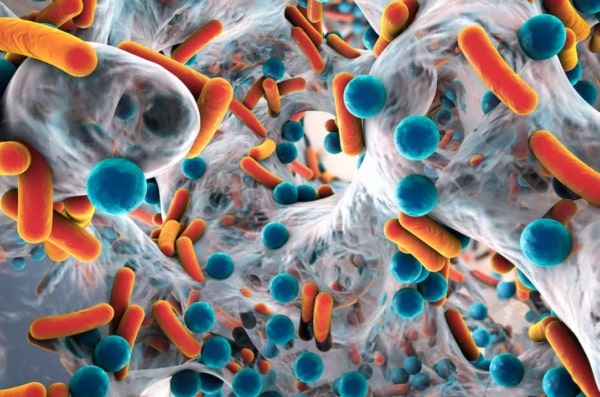
    Metagenomic sequencing is a powerful method for studying the microbiomes of animals. By sequencing the DNA of microorganisms present in various body sites, such as the gut or respiratory tract, veterinarians can gain insights into the diversity and function of these microorganisms and how they may impact the animal’s health. This article will discuss the applications of metagenomic sequencing in the veterinary industry and the methods used to analyze and interpret the generated data.

    Check out our Solutions for Accurate Veterinary Pathogen Detection

    One of the main applications of metagenomic sequencing for veterinarians is the study of the gut microbiome in farm animals. The gut microbiome plays a crucial role in the digestion and absorption of nutrients, as well as in the immune system and overall health of the animal. For example, studies have shown that the gut microbiome of healthy pigs is composed primarily of Firmicutes and Bacteroidetes, while the gut microbiome of pigs with diarrhea is dominated by Proteobacteria (1). By sequencing the DNA of the microorganisms present in the gut, veterinarians can identify the different species and strains present and how they may impact the animal’s health.

    Another application is the study of respiratory tract microbiomes. The respiratory tract is a primary site of infection and disease in animals, and the microbiome plays an essential role in the health of the respiratory system. Studies have shown that the respiratory tract microbiome of healthy horses is composed primarily of Streptococcus and Haemophilus. In contrast, the respiratory microbiome of horses with recurrent airway obstruction is dominated by Moraxella (2).

    To perform a metagenomic analysis, samples must first be collected from the animal. For gut microbiome studies, this is usually done by collecting feces, while for respiratory tract microbiome studies, samples are collected from the nose or throat. Once collected, DNA is extracted and sequenced using high-throughput sequencing technologies. The resulting data is then analyzed using bioinformatics tools to identify the different microorganisms present in the sample. There are various approaches to analyzing metagenomic sequencing data, but commonly used methods include read assembly, binning, and annotation (3).

    After the data has been analyzed, veterinarians can use it to understand the diversity and function of the microorganisms present in the animal. This information can help to identify potential pathogens or beneficial bacteria, as well as to understand how the microbiome may be impacting the health of the animal. For example, veterinarians can use the data to determine if certain microorganisms are overrepresented or underrepresented in animals with a particular condition, and this information can be used to develop targeted interventions to improve the animal’s health (4).

    In conclusion, metagenomic sequencing harnesses significant potential in decoding the microbial landscapes of animals. By sequencing the DNA of microorganisms present in various body sites, veterinarians can gain insights into the diversity and function of these microorganisms and how they may impact the animal’s health. With the development of high-throughput sequencing technologies and bioinformatics tools, the field of metagenomics is constantly evolving, providing new insights and helping to improve the health and well-being of animals.

  • Vaccine-derived polio virus detected in two Canadian wastewater samples

    Vaccine-derived polio virus detected in two Canadian wastewater samples

    After the announcement in August 2022 by the New York State Department of Health of the detection of vaccine-derived polio virus type 2 (VDPV2) in four wastewater samples and the first case of polio in the United States in nearly a decade, the Canada IHR National Focal Point reported detection of VDPV2 in two wastewater samples collected from Canada in the same month.

    According to the Pan American Health Organization’s (PAHO) epidemiological update released on December 30, 2022, the virus strain was found in samples collected between August 20 and August 30 from communities connected to New York state. No suspected or confirmed cases of acute flaccid paralysis, the most common syndrome caused by polio, have been reported in the areas where the Canadian wastewater samples were taken.

    In response, the Public Health Agency of Canada (PHAC) announced plans to initiate wastewater testing and surveillance for the virus. It has been nearly 30 years since Canada has reported a case of polio. The Canadian National Microbiology Laboratory, which collected the specimens in Canada, did not find any traces of the virus in wastewater samples collected between October 31 and November 9. However, the laboratory will continue to test archived samples from September and December from the targeted sites.

    Wastewater DNA-RNA Extraction Kit
    Wastewater DNA-RNA Extraction Kit

    What is a vaccine-derived poliovirus?

    A vaccine-derived poliovirus (VDPV) is a strain related to the weakened live poliovirus contained in oral polio vaccine (OPV). If allowed to circulate in under- or unimmunized populations for long enough, or replicate in an immunodeficient individual, the weakened virus can revert to a form that causes illness and paralysis.

    OPV is a safe and effective vaccine that contains a combination of one, two, or three strains of live, weakened poliovirus, and is given in the form of oral drops. OPV has been instrumental in eradicating wild polioviruses in many countries because it stops the spread of the virus by inducing immunity in the gut. VDPVs emerge when not enough people are vaccinated against polio, and the weakened strain of the poliovirus from OPV spreads among under-immunized populations.

    Where do vaccine-derived polioviruses (VDPVs) come from?

    VDPVs can cause outbreaks in places where vaccine coverage is low. In addition, people with certain immunodeficiency disorders can shed the virus for long periods of time, during which the virus can continue to change and can infect an unvaccinated person.

    According to the United States Centers for Disease Control and Prevention, Polio vaccination protects people against naturally occurring polioviruses and VDPVs. Continuing to achieve high IPV vaccination coverage is the best way to keep a country polio-free and prevent importations of the virus. In addition, access to clean water, good hand hygiene habits, modern sewage systems and wastewater management further prevent germs, including viruses like poliovirus, from spreading.

  • Why It Is Essential to Detect Veterinary Pathogens as Quickly and Accurately as Possible

    Why It Is Essential to Detect Veterinary Pathogens as Quickly and Accurately as Possible

    The detection and diagnosis of animal pathogens in the veterinary industry is a critical aspect of animal care. Whether dealing with a simple respiratory infection or a more serious and potentially life-threatening disease, the timely and accurate identification of the problem is essential for the successful treatment and recovery of affected animals. In this article, we will explore three reasons why it is so important to detect animal pathogens as quickly and accurately as possible in the veterinary industry.

    Check out our Solutions for Accurate Veterinary Pathogen Detection

    Improved treatment and recovery outcomes

    One of the primary reasons for the importance of accurate and timely detection of animal pathogens is the potential for improved treatment and recovery outcomes for affected animals. Many veterinary pathogens can cause severe and progressive diseases that can be life-threatening if left untreated. By identifying the presence of a pathogen early on, veterinarians can implement appropriate treatment protocols that can help to mitigate the impact of the disease and improve the chances of a successful outcome. This is particularly important in cases where the pathogen is highly virulent or the disease is rapidly progressive, as delay in diagnosis and treatment can significantly reduce the chances of a positive outcome.

    Prevention of disease transmission

    Another important reason for accurate and timely detection of animal pathogens is the prevention of disease transmission. Many veterinary pathogens are highly contagious and can easily be transmitted from one animal to another, either directly through contact or indirectly through the environment. This can lead to the spread of disease within animal populations, potentially resulting in outbreaks and epidemics. By detecting and diagnosing the presence of a pathogen early on, veterinarians can take steps to isolate affected animals and prevent further transmission of the disease. This is particularly important in cases where the pathogen is highly contagious or has the potential to spread rapidly within a population.

    Improved animal welfare

    Accurate and timely diagnosis is also essential for the welfare of affected animals. Many veterinary diseases and conditions can cause significant pain and suffering for the animal, and early detection and treatment can help to alleviate this suffering. In addition, early diagnosis can also help to prevent the development of complications that may arise as a result of the disease or condition. This is especially important in cases where the animal is experiencing severe symptoms or is at risk of developing complications that could significantly impact their quality of life.

    Pathogen DNA RNA Extraction Kit - Veterinary

    There are a variety of diagnostic tools and techniques that veterinarians can use to accurately detect animal pathogens. These may include physical examination, laboratory testing, radiology, endoscopy, and biopsy. The specific approach will depend on the specific pathogen and disease being considered, as well as the individual animal’s unique needs and circumstances. By using a combination of these techniques, veterinarians can accurately detect and diagnose a wide range of veterinary pathogens, allowing them to provide the best possible care for their patients.

    In conclusion, the accurate and timely detection of animal pathogens is essential for the successful treatment and recovery of affected animals, the prevention of disease transmission, and the welfare of affected animals. By using a range of diagnostic tools and techniques, veterinarians can accurately identify the presence of pathogens in animal samples, enabling them to provide the best possible care for their patients and to prevent the spread of disease within animal populations.